19 6 月, 2026 / Industry Insights
The Evolution of Dental Chairs: From Barber Chairs to Smart Digital Units
Introduction
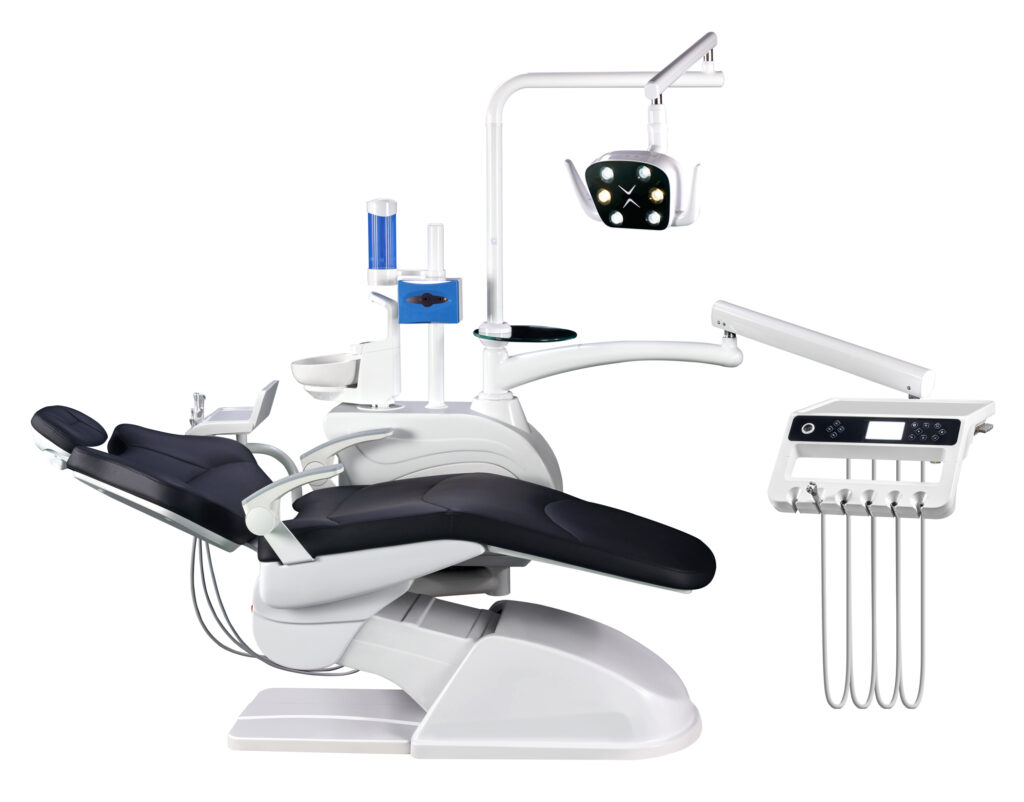
The dental chair is the cornerstone of every dental practice. What began as a simple wooden seat has transformed into a sophisticated digital workstation that integrates diagnosis, treatment, and patient comfort into a single seamless system. This article traces the remarkable journey of dental chair evolution over the past two centuries.
The Early Days: Barber Chairs and Wooden Seats (1790–1870)
Before dedicated dental chairs existed, patients sat in ordinary wooden chairs or barber chairs. The first recognizable dental chair was invented by Dr. Josiah Flagg in 1790 — a modified Windsor writing chair with an adjustable headrest and an arm extension to hold instruments. It was rudimentary but revolutionary for its time.
In 1832, James Snell designed the first reclining dental chair, allowing patients to lean back during procedures. This was a major breakthrough in both patient comfort and practitioner access. By the mid-19th century, dental chairs began incorporating foot-pedal mechanisms for height adjustment.
The Industrial Revolution: Hydraulic and Mechanical Advancements (1870–1920)
The late 19th century brought significant engineering improvements. Hydraulic lift mechanisms replaced manual cranks, enabling smooth height adjustments. The S.S. White Dental Manufacturing Company introduced chairs with tilting backrests and adjustable headrests that set the standard for decades.
During this period, the concept of the “dental unit” began taking shape. Chairs were paired with spittoons, instrument trays, and foot-engine drills, creating the first integrated dental workstations.
The Electric Era: Powered Precision (1920–1960)
The introduction of electricity transformed dental chairs. Electric motors replaced foot-powered drills, and electric pumps powered hydraulic positioning systems. Chairs became more compact and efficient, with better weight distribution and improved upholstery materials that were easier to clean.
In 1958, Dr. John Naughton introduced the first full-contour dental chair with a thin backrest, allowing dentists to sit while working — a concept that revolutionized ergonomics and is now standard practice worldwide.
The Ergonomic Revolution: Patient and Practitioner Comfort (1960–1990)
By the 1960s, human-centered design principles entered dental equipment manufacturing. Chairs featured programmable positions, seamless upholstery for infection control, and synchronized movements where the seat and backrest moved together to maintain patient comfort.
The introduction of the “four-handed dentistry” concept by Dr. Edward Thompson influenced chair design significantly. Units were arranged so the dentist and assistant could work efficiently around the patient, with instruments accessible from both sides.
Digital Integration and Smart Technology (1990–2020)
The digital revolution brought computer-controlled positioning with memory presets for different procedures. Touchscreen controls replaced mechanical levers, and LED operating lights integrated directly into chair-mounted delivery systems.
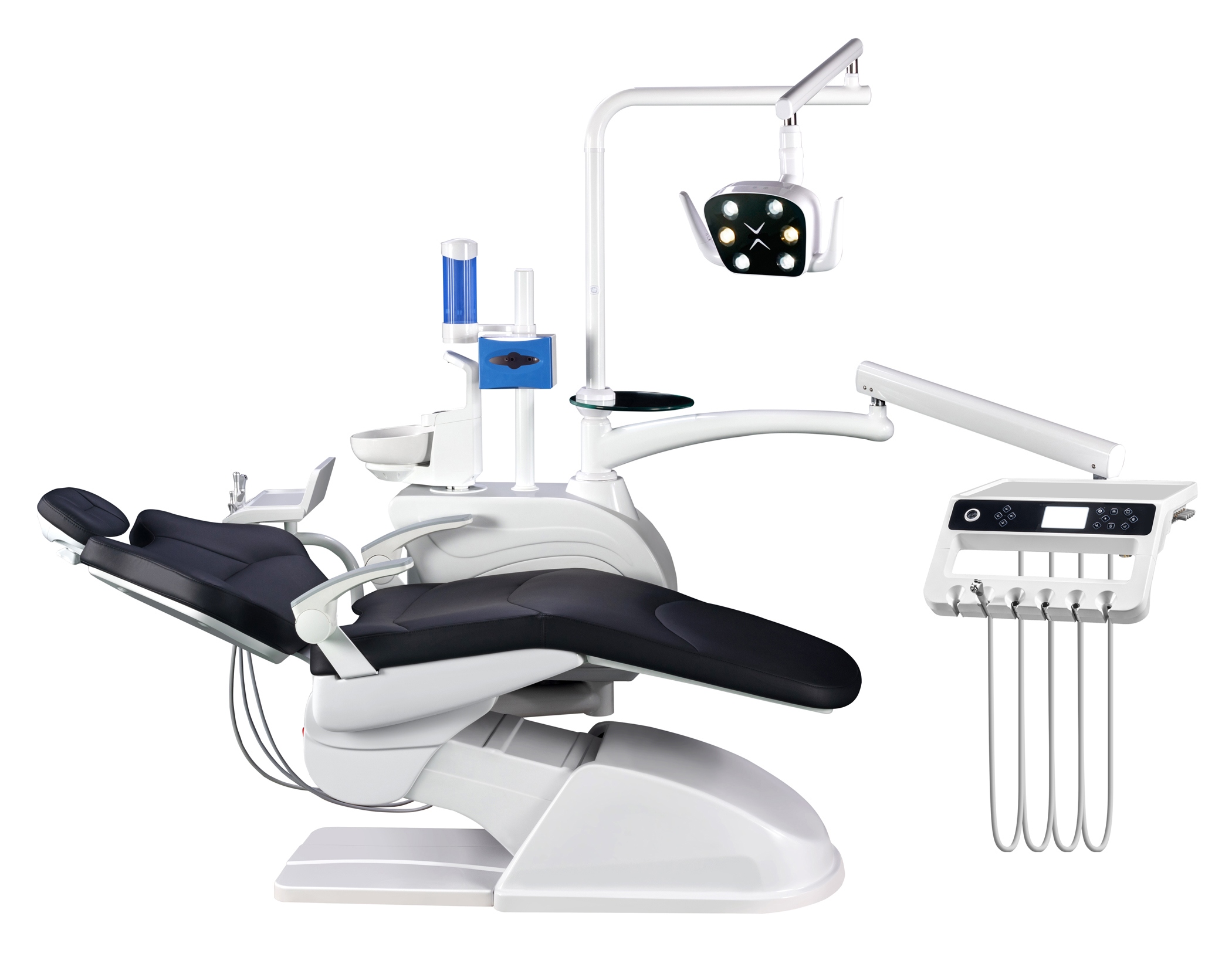
Modern dental chairs evolved into complete treatment centers featuring built-in intraoral cameras, digital X-ray integration, multimedia patient displays, and USB charging ports. Materials science advanced with antimicrobial upholstery, seamless surfaces, and corrosion-resistant components.
The Smart Dental Chair Era (2020–Present)
Today’s cutting-edge dental chairs incorporate artificial intelligence, IoT connectivity, and predictive maintenance. Key innovations include:
- AI-assisted positioning — automatic adjustment based on procedure type and patient anatomy
- Integrated diagnostic tools — built-in caries detection, plaque imaging, and oral cancer screening
- Cloud connectivity — remote monitoring of chair usage, maintenance schedules, and sterilization cycles
- Voice control — hands-free operation during procedures
- Patient experience systems — ambient lighting, noise cancellation, and in-chair entertainment screens
- Zero-gravity positioning — reducing pressure points for longer procedures
Fengdent’s Contribution to Dental Chair Evolution
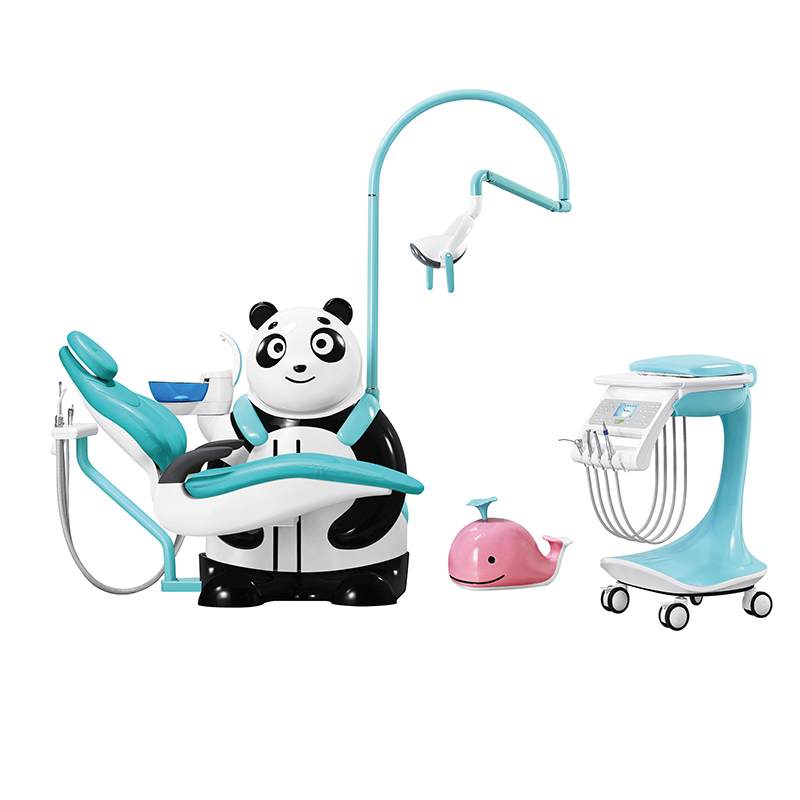
At Fengdent Medical, we honor this rich history while pushing boundaries forward. Our dental units combine decades of ergonomic research with modern manufacturing excellence. Key features of Fengdent dental chairs include:
- CE & ISO 13485 certified quality assurance for every unit
- Ergonomic thin-back design allowing optimal practitioner access
- Memory foam upholstery with seamless antimicrobial surfaces
- Programmable positions with one-touch memory presets
- Integrated LED operating light with adjustable color temperature
- Multi-function foot control for hands-free operation
- Durable construction built for high-volume clinical environments

Conclusion
From a modified Windsor chair to AI-powered treatment centers, the dental chair’s evolution mirrors the advancement of dentistry itself. Each generation has brought greater comfort, precision, and efficiency — all in service of better patient outcomes.
At Fengdent, we’re proud to be part of this ongoing story, manufacturing dental chairs that blend time-tested principles with forward-looking innovation.